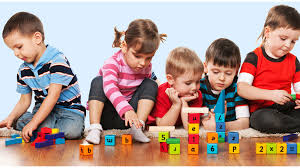

Play – based Learning is the main way children learn—they build blocks, pretend roles, and create art while quietly developing language, thinking skills, and confidence through Play based learning Strategies.
What Is Play‑Based Learning for Preschool ?
- preschool learning means children learn through hands‑on play, not worksheets or rigid lessons.
- Teachers set up fun, purposeful activities that help kids explore, ask questions, and solve problems on their own.
- The classroom feels like a safe, colorful space where children are free to move, try, fail, and try again.
Why Play‑Based Learning Activities matter at preschool .
- Builds creativity and imagination :
Pretend play, drawing, and building blocks help children invent stories and worlds. - Boosts thinking and problem‑solving :
Fitting puzzles, sorting colors, or building collapsing towers teach planning and “let’s try again” thinking. - Improves social skills :
Sharing toys, taking turns, and group games teach talking, listening, and simple conflict resolution. - Supports emotional growth :
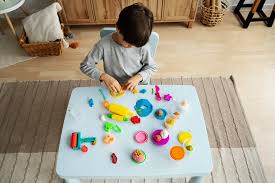
Sand, water, play‑dough, and role‑play give children safe ways to express big feelings.
Practical Play‑Based Learning at Preschool
List 5–7 easy activities parents and teachers can relate to (use short, warm language):
- Block Building and Simple Puzzles
- Children stack blocks, build towers, and solve picture puzzles.
- Ask gentle questions like “How high can it go?” or “Which piece fits here?”
- Pretend Play Corner (Drama Area)
- Sensory Play – based Learning strategy : Sand, Water, Play‑Dough
- Let kids scoop, pour, and shape in a tray.
- Talk about words like “full/empty,” “wet/dry,” or “hard/soft” while they play.
- Set up a small shop, kitchen, or hospital with simple props.
- Let children take the lead; join in as a “customer” or “patient” so they feel confident.
- Sensory Play – based Learning strategy : Sand, Water, Play‑Dough
- Story‑Based Movement Games
- “Move like a lion,” “hop like a frog,” or act out a short story.
- Builds listening, memory, and imagination in a fun way.
- Simple Board or Circle Games
- Use Age ‑friendly games that teach taking turns, counting, and following rules.
- Turn it into a “class game” or “family game” to keep it light and happy.
5. How Parents Can Support Play‑based Learning at Home
Keep this practical and reassuring:
- Follow your child’s interest: A Step forward into Play – based Learning insights.
If they love cars, add parking, counting, or color‑sorting to their play. - Ask open questions, not answers:
“What can we build with these blocks?” instead of “What color is this?” - Let play be messy and unhurried:
Allow time to repeat, change ideas, or “do it wrong” before you jump in. - Talk about what you see:
“You made a tall tower! It almost fell, but you fixed it!” helps build language and confidence. - Turn daily routines into play:
Sorting laundry, arranging toys, or “counting steps” becomes playful learning without extra effort.
Final Thought :
A Play based Learning at preschool today is not the one that looks the most “Academic” from the outside. It’s the one where children are happy, actively engaged, and learning through play—buildings blocks, pretending roles, creating art, and solving little problems every day.
When parents understand that play‑based learning is real learning, they can relax, enjoy the mess, and feel confident that their child is growing in all the right ways.